Estradiol Vaginal Cream - How It Can Help
6 minute read

Summary
Genitourinary syndrome of menopause (GSM) is a group of symptoms that can occur during menopause and affect the vaginal, vulvar, and urinary tissues as estrogen levels decline. The symptoms that relate to this medical condition are common during perimenopause and menopause but can also occur during other low-estrogen states such as breastfeeding, chemotherapy, or some hormonal contraceptive use.
Vaginal and urinary tissues are closely connected with one another, and symptoms can often occur together. Vaginal estradiol cream is a localized treatment option that may help improve symptoms of GSM and help support the health of these tissues.
What Symptoms Can Vaginal Estrogen (Vaginal Estradiol Cream) Help Address?
The symptoms of genitourinary syndrome of menopause (GSM) can affect the vaginal tissues, the urinary tissues, or both. These are sensitive tissues and the symptoms of GSM can have an impact on comfort and quality of life. Common symptoms of GSM may include:
vaginal dryness
burning or itching
painful intercourse (dyspareunia)
vulvar discomfort
urinary urgency or frequency
recurrent urinary tract infections (UTI’s)
Symptoms often develop gradually and worsen over time if they are not treated. Because they occur slowly and can appear like other common conditions, many women do not immediately recognize them as hormone related or may attempt to treat them in other ways.
Why Do These Symptoms Happen?
Estrogen has an important role in many body systems, and it helps to maintain the health of genitourinary tissues. As estrogen levels decline during the transition to menopause, these tissues become thinner, drier, and more fragile. In vaginal tissues, reductions in estrogen also lead to decreased elasticity and natural lubrication, and hormonal fluctuations can alter vaginal pH, increasing susceptibility to infections. Sensitive urinary tissues are also impacted, increasing likelihood of urinary symptoms which is why they are included as part of GSM.
“After 3 months of consistent use, vaginal estrogen cream can significantly improve symptoms of GSM, including vaginal dryness, irritation, urinary frequency, recurrent UTI’s, and painful intercourse. By restoring estrogen directly to the vaginal tissues, these therapies help rebuild tissue integrity, improve elasticity and hydration, and support a healthier vaginal microbiome - often leading to meaningful improvements in both comfort and quality of life for perimenopausal and menopausal women.” - Dr. Amy Hayes
How Vaginal Estradiol Cream Works
Vaginal estradiol cream is a prescription medication that delivers a small dose of bioidentical estrogen directly to affected vaginal and urinary tissues. Unlike hormones that are taken by mouth, vaginal estrogen is intended to act only where it is applied and does not treat menopause symptoms throughout the body. Treatment with topical vaginal estrogen helps support tissue thickness, moisture, elasticity, and overall health of the vaginal, vulvar and urethral areas. It differs from lubricants and moisturizers that are often recommended or used during menopause because it addresses the underlying estrogen deficiency that causes the symptoms of GSM. Lubricants and moisturizers are still an important part of vaginal health during midlife and can be helpful for the temporary reduction of symptoms, especially since improvement with vaginal estradiol is typically gradual and not immediate.

Estradiol Vaginal Cream
$119.97
How Long Does Vaginal Estradiol Cream Take to Work?
Improvement with vaginal estradiol occurs slowly and is often noticed within several weeks when used consistently. The response to estradiol cream will depend on the severity of the initial symptoms and the extent of the tissue changes that were present before treatment was started. Women using topical vaginal estrogen may notice improvement in their symptoms at different rates. Although many topical preparations for vaginal symptoms can be applied as needed, estradiol cream is best used consistently over time. In addition, continued maintenance therapy is recommended, as GSM is a chronic condition and benefits are sustained with continued use.
Is Vaginal Estradiol the Same as Systemic Hormone Therapy?
We mentioned above that vaginal estradiol cream is considered a localized treatment rather than a systemic hormone therapy intended to treat whole-body menopause symptoms. So why is this important? Topical low-dose vaginal estrogen is designed to result in minimal absorption into the body from where it was originally applied. This means that it can treat just the symptoms in the affected without impacting the rest of the body. This is important because women who do not wish to take hormones or who are not candidates for systemic hormone therapy may still be able to use topical vaginal estrogen. These treatment decisions should be made on an individual basis with a qualified clinician.
Even for women already using systemic hormone therapy, vaginal estradiol cream is often still recommended. Systemic estrogen may not always provide sufficient localized support to the vaginal and urinary tissues, particularly as these tissues are highly sensitive to estrogen decline. Adding low-dose vaginal estrogen can deliver targeted relief for GSM symptoms without significant systemic absorption. This combination approach is commonly considered both safe and effective for many menopausal women and highlights the importance of individualized treatment plans based on specific symptoms and quality of life concerns.
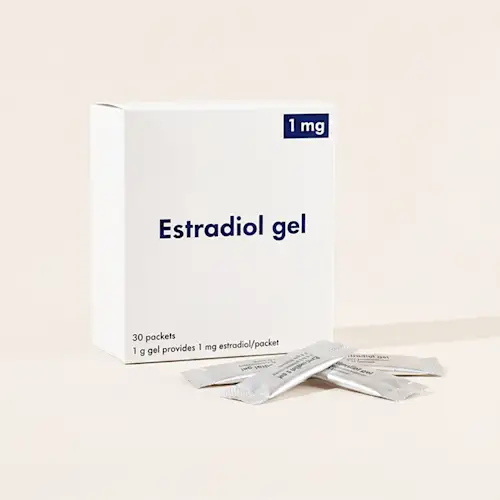
Estradiol Gel
$69.99 /mo
Is Estradiol Cream Bioidentical?
A bioidentical hormone is one whose chemical and molecular structure is identical to hormones that are produced in the human body. Bioidentical hormones are made into usable products in two different ways. Pharmaceutical companies manufacture standard, regulated, and tested bioidentical hormones that are FDA approved. Doctors can also prescribe custom mixtures of bioidentical hormones to be compounded. However, although these formulations are bioidentical, compounded preparations are not FDA approved or regulated. Estradiol used in FDA-approved vaginal estrogen products is chemically and molecularly identical to the primary estrogen naturally produced by the body before menopause and is therefore bioidentical. Vaginal estradiol products are available in standardized FDA-approved formulations with established dosing and safety information.
In Conclusion
GSM is a common condition associated with declining estrogen levels and symptoms that involve vaginal and urinary tissues are part of this medical condition and not just an unavoidable part of aging. Vaginal estradiol cream is a localized treatment option that may help support tissue health and reduce symptoms over time. Women experiencing persistent vaginal or urinary symptoms should discuss appropriate treatment options with a qualified clinician.
Frequenlty Asked Questions
Can you benefit from topical estrogen cream if you do not have systemic menopause symptoms like hot flashes?
Yes, you can absolutely benefit from topical estrogen cream even if you do not experience systemic symptoms such as hot flashes, mood swings, or irritability. Topical estradiol cream is designed specifically to treat the localized symptoms of genitourinary syndrome of menopause, which includes vaginal dryness, painful intercourse, itchy or burning vulvas, urinary frequency, urgency, and frequent urinary tract infections. Because it acts locally rather than systemically, it safely targets these specific tissue concerns directly at the source.
What causes genitourinary syndrome of menopause and can women who are not in menopause experience it?
Genitourinary syndrome of menopause is caused by a lack of estrogen, which thins the vaginal, vulvar, and urethral tissues and alters the natural pH of the vagina, making it much more vulnerable to infections. You do not have to be in menopause to experience these exact symptoms, as any life stage or medical factor that induces a low-estrogen state can produce them. Common non-menopausal causes include breastfeeding, undergoing chemotherapy treatments, and using certain hormonal birth control options.
How does estradiol vaginal cream work to fix these symptoms and how long does it take to see results?
Estradiol vaginal cream works by directly reversing tissue thinning and restoring the healthy, premenopausal pH levels of the genitourinary system, effectively addressing the actual root cause of the problem. Unlike temporary over-the-counter options like lubricants and moisturizers that only minimize symptoms, the cream actively repairs and restores the vaginal, vulvar, and urethral tissues over time. Because this treatment physically rebuilds the tissue, the improvement begins gradually
References
The Menopause Society. The 2020 genitourinary syndrome of menopause position statement of The North American Menopause Society. Menopause. 2020;27(9):976-992. doi:10.1097/GME.0000000000001609
American Urological Association, Society of Urodynamics, Female Pelvic Medicine & Urogenital Reconstruction, American Urogynecologic Society. Kaufman MR, Ackerman AL, Amin KA, et al. The AUA/SUFU/AUGS guideline on genitourinary syndrome of menopause. J Urol. 2025;214(3):242-250. doi:10.1097/JU.0000000000004589
U.S. Food and Drug Administration: Human Drug Compounding
Related Content
Subscribe
Go ahead, you deserve to
feel fantastic
By subscribing you agree to our Terms of Service & Privacy Policy.